Fundacja zarejestrowana 25 października 2016 r. · KRS 0000643785 Foundation registered on 25 October 2016 · KRS 0000643785 biuro@fundacjajagiellonska.buzz

O Fundacji JagiellońskiejAbout the Jagiellonian Foundation

Kto jesteśmy, dlaczego Fundacja powstała i jak z łańcuckiego Klubu Zamkowego zrobiła się organizacja pracująca dla młodzieży całego Podkarpacia.

Who we are, why the Foundation was created, and how a small castle club in Łańcut grew into an organisation working for young people across Subcarpathia.

Kim jesteśmy Who we are

Organizacja z Łańcuta, pracująca dla PodkarpaciaAn organisation from Łańcut, working for Subcarpathia

Fundacja Jagiellońska to organizacja działająca na rzecz wspierania młodych ludzi w ich wszechstronnym rozwoju. Prowadzimy Podkarpacki Program Stypendialny, Regionalny Ośrodek Debaty Międzynarodowej w Rzeszowie oraz realizujemy projekty edukacyjne i historyczne, takie jak gra symulacyjna „Intermarium” i konkurs wiedzy o Trójmorzu „Trimarium”.

The Jagiellonian Foundation is an organisation that supports young people in their all-round development. We run the Subcarpathian Scholarship Programme and the Regional Centre for International Debate in Rzeszów, and we carry out educational and historical projects such as the “Intermarium” simulation game and the “Trimarium” competition on the Three Seas Initiative.

Fundacja została zarejestrowana 25 października 2016 roku i od tego samego dnia rozpoczęła działalność. Mieszkamy i pracujemy w Łańcucie — mieście znamienitej rezydencji, której zamkowe wnętrza niejednokrotnie stawały się sceną naszych warsztatów, wykładów i spotkań. Nazwa Fundacji nawiązuje do dziedzictwa Jagiellonów, a naszym punktem odniesienia pozostaje idea „działania dla dobra i pożytku Rzeczypospolitej”.

The Foundation was registered on 25 October 2016 and began its work on the same day. We live and work in Łańcut — a town famous for its aristocratic residence, whose castle interiors have often served as the setting for our workshops, lectures and meetings. The name of the Foundation refers to the heritage of the Jagiellonian dynasty, and our point of reference remains the idea of “acting for the good and benefit of the Republic of Poland”.

Językiem naszej działalności jest polski, ale nasze programy od początku wykraczały poza granice regionu — od wyjazdowych warsztatów po spotkania stypendystów na Ukrainie i międzynarodowy konkurs o Inicjatywie Trójmorza.

Our working language is Polish, but our programmes have reached beyond the region from the very beginning — from travelling workshops to the scholars' journey in Ukraine and the international competition on the Three Seas Initiative.

Rejestr i dane formalneRegistration and formal data

  • KRS0000643785
  • NIP8151801274
  • REGON365709454
  • Data rejestracjiRegistration date25.10.2016
  • Data rozpoczęcia działalnościStart of activity25.10.2016
  • Forma prawnaLegal formFundacjaFoundation
  • AdresAddressZielona 70, 37-100 Łańcut, PolskaZielona 70, 37-100 Łańcut, Poland
  • E-mailE-mailbiuro@fundacjajagiellonska.buzz
  • Język działalnościWorking languagepolskiPolish
Jak do tego doszło How it came about

Od Klubu Zamkowego do FundacjiFrom the Castle Club to the Foundation

2015

Zanim powstała Fundacja, w Łańcucie działał Klub Zamkowy — grupa studentów i absolwentów, którzy w ramach ogólnopolskiego Klubu Jagiellońskiego organizowali dla społeczności Łańcuta i Podkarpacia warsztaty, wykłady otwarte i Zamkowy Klub Filmowy w przestrzeniach Muzeum–Zamku w Łańcucie. Spotkania filmowe odbywały się w dawnym Kasynie Urzędniczym przy ul. Kościuszki 2; rozmowy po projekcjach prowadzili m.in. doktoranci i wykładowcy rzeszowskich uczelni oraz znawcy kultury — od historii muzealnictwa po „Pana Tadeusza” i idea międzymorza.

Before the Foundation existed, the Castle Club (Klub Zamkowy) operated in Łańcut — a group of students and graduates who, within the nationwide Jagiellonian Club, organised workshops, open lectures and the Castle Film Club for the community of Łańcut and Subcarpathia, in the spaces of the Łańcut Castle Museum. Film screenings were held in the former Officials' Casino at 2 Kościuszki Street; post-screening discussions were led by doctoral students and academics from Rzeszów universities and by experts in culture — from museum studies to “Pan Tadeusz” and the idea of Intermarium.

2016

25 października 2016 roku rejestrujemy Fundację Jagiellońską. Doświadczenie Klubu Zamkowego — organizacja wydarzeń, praca z wolontariuszami, współpraca z muzeum i samorządem — staje się fundamentem nowej organizacji, która chce działać trwale i na większą skalę.

On 25 October 2016, the Jagiellonian Foundation is registered. The experience of the Castle Club — organising events, working with volunteers, cooperating with the museum and local government — becomes the foundation of a new organisation that wants to act permanently and on a larger scale.

2017

Pierwsze interdyscyplinarne Warsztaty Zamkowe „Śladami Jana Potockiego” dla uzdolnionej młodzieży gimnazjalnej i licealnej — tydzień zajęć na Zamku w Łańcucie, z warsztatami przedmiotowymi, zwiedzaniem ekspozycji niedostępnych dla turystów, koncertami muzyki klasycznej i wieczorami filmowymi. W grudniu tego roku rusza pierwsza Kwesta Jagiellońska, finansująca program stypendialny dla młodzieży z Podkarpacia oraz zza wschodniej granicy.

The first interdisciplinary Castle Workshops “In the Footsteps of Jan Potocki” for talented lower- and upper-secondary students — a week of classes at Łańcut Castle, with subject workshops, tours of exhibitions closed to ordinary visitors, classical music concerts and film evenings. In December, the first Jagiellonian Street Collection (Kwesta Jagiellońska) takes place, funding a scholarship programme for young people from Subcarpathia and from beyond the eastern border.

2018

Kolejna edycja Warsztatów Zamkowych, zimowe wyjazdowe warsztaty stypendystów w Przemyślu i Krasiczynie — a przede wszystkim premiera gry planszowej „Intermarium” i jej wędrówka po szkołach ponadpodstawowych województwa podkarpackiego: od Krośna i Jarosławia po Ustrzyki Dolne, z finałem na Zamku w Łańcucie.

A new edition of the Castle Workshops, winter travelling workshops for scholars in Przemyśl and Krasiczyn — and above all the premiere of the “Intermarium” board game and its journey through secondary schools of the Subcarpathian Voivodeship: from Krosno and Jarosław to Ustrzyki Dolne, with a finale at Łańcut Castle.

2019

Fundacja wygrywa konkurs Ministerstwa Spraw Zagranicznych na najlepszą koncepcję Regionalnego Ośrodka Debaty Międzynarodowej na Podkarpaciu i otwiera RODM w Rzeszowie — miejsce spotkań, debat i konferencji dotyczących polskiej polityki zagranicznej. Stypendyści wyjeżdżają na Ukrainę, a Kwesta Jagiellońska odbywa się już w pięciu miastach regionu.

The Foundation wins the Ministry of Foreign Affairs competition for the best concept of a Regional Centre for International Debate in Subcarpathia and opens the RODM in Rzeszów — a venue for meetings, debates and conferences on Polish foreign policy. The scholars travel to Ukraine, and the Jagiellonian Street Collection is already held in five towns of the region.

2020–2024

Program stypendialny rozrasta się w Podkarpacki Program Stypendialny, współfinansowany w ramach Rządowego Programu „Fundusz Młodzieżowy”. Powstaje międzynarodowy konkurs „Trimarium”, a projekt #Wiktoria1920 upamiętnia stulecie Bitwy Warszawskiej. Fundacja gości uczniów łanieckich szkół i rozwija współpracę z nauczycielami w całym regionie.

The scholarship programme grows into the Subcarpathian Scholarship Programme, co-funded by the government programme “Fundusz Młodzieżowy”. The international “Trimarium” competition is launched, and the #Wiktoria1920 project commemorates the centenary of the Battle of Warsaw. The Foundation hosts pupils of Łańcut schools and develops cooperation with teachers across the region.
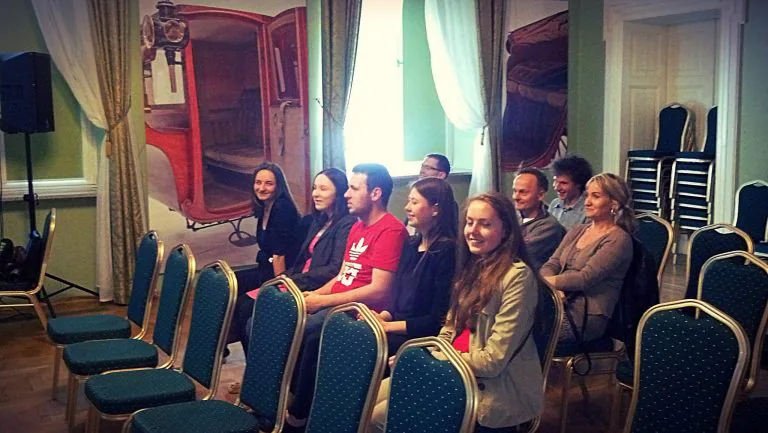
Spotkanie z „Panem Tadeuszem” w restauracji Zamkowej na zamku w Łańcucie, 2015 rok

Spotkanie z „Panem Tadeuszem” z Czesławem Drągiem, restauracja „Zamkowa” na zamku w Łańcucie, listopad 2015 r.

The “Pan Tadeusz” meeting with Czesław Drąg, the “Zamkowa” restaurant at Łańcut Castle, November 2015.
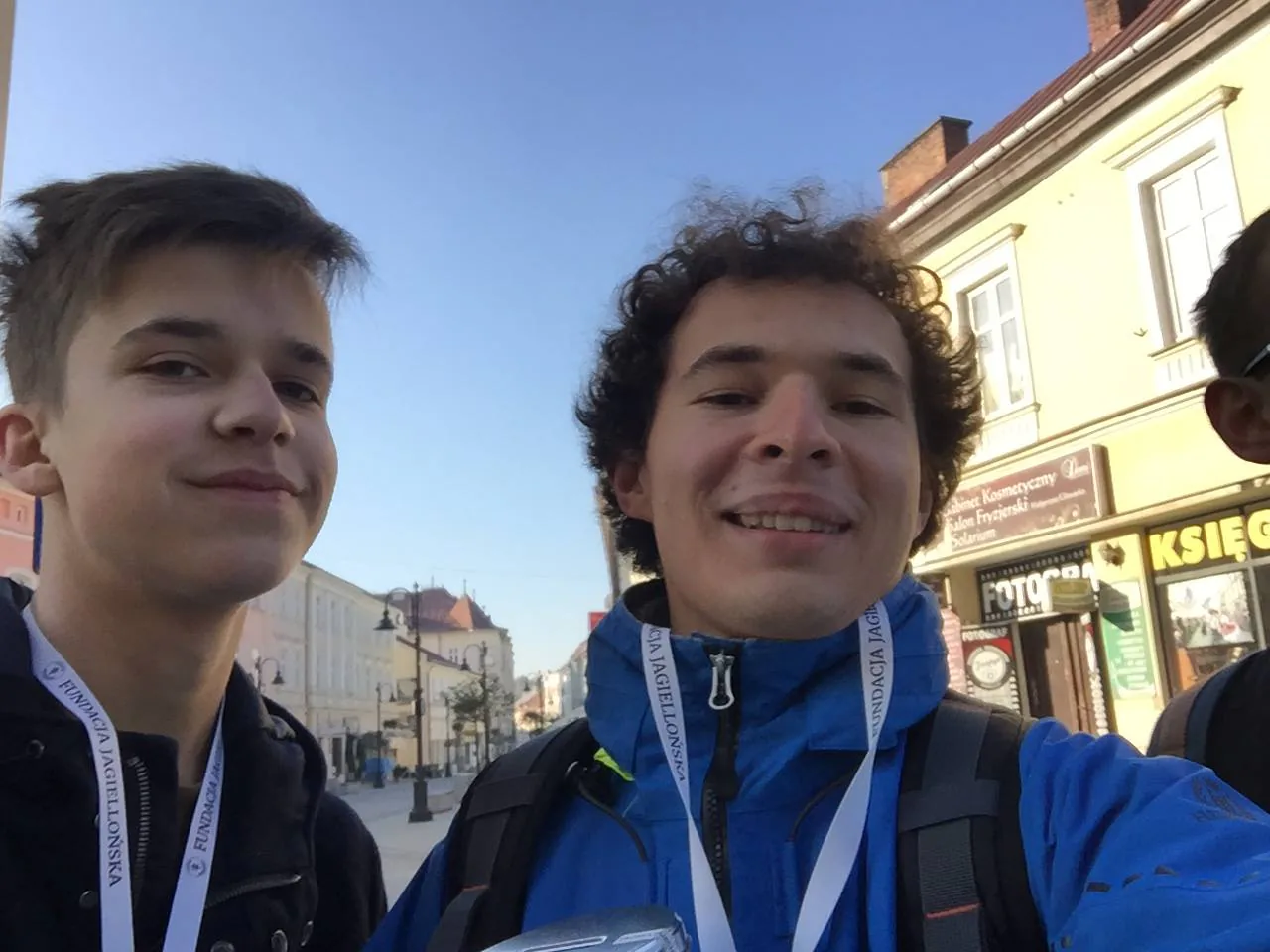
Kwesta Jagiellońska 2017 — wolontariusze zbierający datki

Kwesta Jagiellońska — wolontariusze zbierają datki na program stypendialny, 2017 r.

The Jagiellonian Street Collection — volunteers raising funds for the scholarship programme, 2017.

Zarząd The Board

Ludzie odpowiedzialni za FundacjęThe people responsible for the Foundation

Maciej Respekta

Prezes zarządu

Chairman of the Board

Reprezentuje Fundację na zewnątrz, mówi o jej misji w mediach i na spotkaniach ze szkołami; wypowiadał się m.in. o koncepcji RODM w Rzeszowie po konkursie MSZ.

Represents the Foundation externally, speaks about its mission in the media and at school meetings; commented on the RODM concept in Rzeszów after the MFA competition.

Weronika Szpytma

Członek zarządu

Member of the Board

Członek zarządu Fundacji, reprezentuje ją samodzielnie na zewnątrz zgodnie ze statutem.

A member of the Foundation's board; under the statutes, she may represent the Foundation externally on her own.

Maciej Trojnar

Fundator i członek zarządu

Founder and member of the Board

Fundator Fundacji i członek zarządu; koordynował m.in. Koło olimpijskie, do którego pytania kierować można było bezpośrednio na jego adres mailowy.

The Foundation's founder and a board member; he coordinated, among other things, the Olympiad Club, whose questions could be sent directly to his e-mail address.

„1. Reprezentować Fundację na zewnątrz może każdy członek zarządu samodzielnie. 2. W sprawach majątkowych wymagany jest podpis jednego członka zarządu.”

“1. Each member of the board may represent the Foundation externally on their own. 2. In property matters, the signature of one board member is required.”

— Sposób reprezentacji, wpis do rejestru KRS
— Manner of representation, KRS registry entry

Organem reprezentującym Fundację jest zarząd. W sprawach majątkowych wystarczy podpis jednego członka zarządu, co umożliwia sprawne prowadzenie bieżącej działalności.

The Foundation's representative body is its board. In property matters, the signature of a single board member suffices, which allows the day-to-day work to run smoothly.

Zasady, którymi się kierujemyThe principles that guide us

Zasłużenie, nie przywilejMerit, not privilege

Nasze programy są bezpłatne i adresowane do uzdolnionej młodzieży — także tej, która uczy się w mniejszych miejscowościach i nie ma łatwego dostępu do korepetycji, muzeów czy wykładów uniwersyteckich.

Our programmes are free of charge and addressed to talented young people — including those studying in smaller towns without easy access to tutoring, museums or university lectures.

Współpraca, nie karuseleCooperation, not going it alone

Działamy razem z Muzeum–Zamkiem w Łańcucie, szkołami, bibliotekami i samorządami. Większość naszych projektów powstała dzięki partnerom, którzy podzielali nasze cele.

We work together with the Łańcut Castle Museum, schools, libraries and local governments. Most of our projects were created thanks to partners who share our goals.

Rozwój daje radośćDevelopment brings joy

Uczymy poważnie, ale nie posępnie — koncerty, filmy, wyjazdowe wyprawy i gry planszowe są w naszych programach tak samo ważne jak wykłady.

We teach seriously, but not grimly — concerts, films, study trips and board games matter in our programmes just as much as lectures.

Zobacz naszą misjęSee our mission